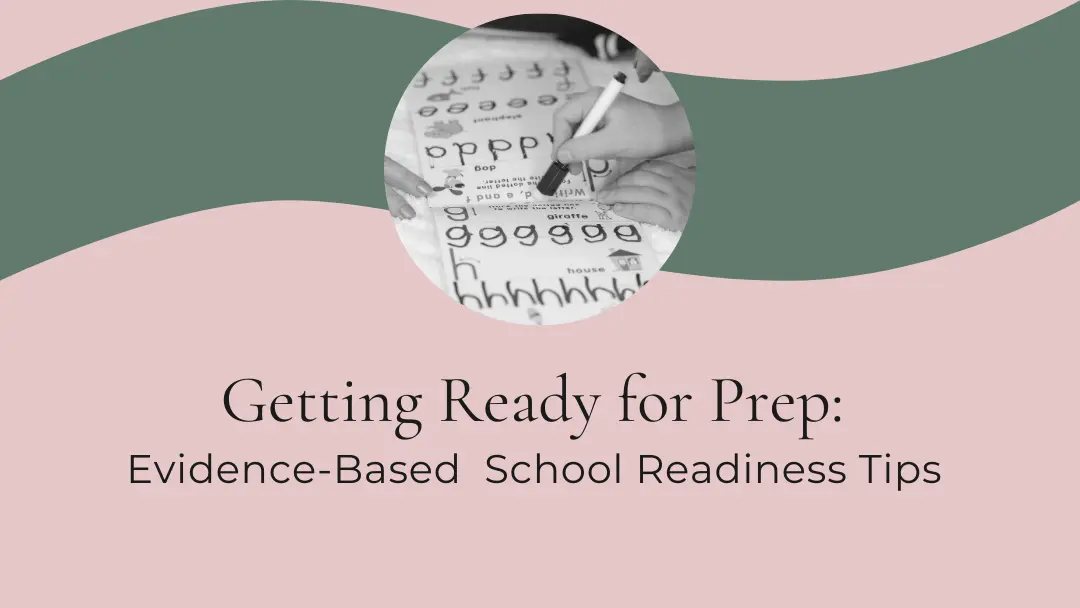
Starting School in the Coming Days: Practical Tips to Support Your Child’s First Week of Prep
The days leading up to your child starting school can feel exciting, emotional, and a
little overwhelming — for parents and children alike. The good news? Research
consistently shows that simple, intentional actions at home can make a powerful
difference to how confidently children settle into Prep.
If your child is starting school this week or next, here are evidence-based strategies
you can use right now to support a smooth and positive transition.
1. Focus on Emotional Readiness, Not Academics
In the early days of school, feeling safe and secure matters more than knowing letters or numbers. Children who feel calm and supported are better able to engage
with learning.
In the coming days:
- Talk positively about school and your child’s teacher
- Acknowledge nerves: “It’s okay to feel a bit unsure — lots of children feel that
way”
- Avoid phrases like “Don’t worry” — instead, normalise feelings
This approach aligns with Victorian transition guidance, which emphasises emotional
wellbeing as the foundation for learning. Transitions School Resources
2. Practise the School Routine (Now!)
One of the strongest predictors of a smooth start is predictability. Children cope
better when they know what to expect.
Try this in the days before school:
- Wake up, get dressed, and eat breakfast at school-day times
- Practise packing and unpacking the school bag
- Walk or drive the route to school together
- Do a “practice goodbye” at home
Keeping goodbyes short, calm, and confident helps children feel secure — even if they’re emotional.
3. Build Independence in Small, Realistic Ways
Prep teachers support independence — but children don’t need to do everything
perfectly.
In the coming days, practise:
- Opening lunch boxes and drink bottles
- Putting on shoes or hats
- Using the toilet independently and asking for help if needed
Confidence grows through small successes, not pressure.
4. Read, Talk, and Connect — Keep It Light
There’s no need to cram learning before school starts. Evidence shows that talking,
reading, and playing are the most effective ways to support early literacy.
Try:
- Reading one book a day and talking about the pictures
- Asking open questions: “What do you think might happen next?”
- Telling stories together about their school day ahead
Victoria’s Prep curriculum is play-based and explicitly taught — children are not
expected to arrive already reading or writing. Starting Foundation (Prep) in Victoria
5. Share Key Information with the School
If your child has:
- Medical needs
- Separation anxiety
- Speech, developmental, or additional learning needs …it’s helpful to communicate this early.
Victorian schools value family input and use it to plan effective support from day one. Transition Early Childhood
6. Support Yourself Too
Children are incredibly sensitive to adult emotions. If you’re calm, confident, and
reassuring, your child is more likely to feel the same.
Helpful reminders:
- Tears at drop-off are common and usually short-lived
- Teachers are highly experienced in supporting transitions
- Settling in is a process — not something that happens on day one
Final Thought
Starting school is a big step — but it doesn’t have to be a stressful one. By focusing
on routines, emotional connection, and realistic expectations in the coming days,
you’re giving your child exactly what they need to begin Prep feeling safe, supported,
and ready to learn.
You’re doing a great job — and so are they.
✅ First Week of Prep: Parent Checklist
Use this checklist to stay organised and reduce stress during the first week:
Before Day One
☐ Label all belongings (hat, jumper, bag, lunch box)
☐ Practise opening lunch boxes and drink bottles
☐ Prepare the school uniform/clothes the night before
☐ Talk through what the school day will look like
☐ Arrange a calm, consistent drop-off plan
Each Morning
☐ Allow extra time — rushing increases anxiety
☐ Offer a calm, confident goodbye
☐ Reassure your child when you’ll be back
☐ Keep goodbyes short and predictable
After School
☐ Ask open questions (“What was something you enjoyed today?”)
☐ Expect tiredness or big emotions — this is normal
☐ Keep afternoons low-key
☐ Celebrate effort, not perfection
Ongoing
☐ Maintain consistent routines
☐ Stay in contact with the teacher if concerns arise
☐ Remember settling in takes time — weeks, not days
The first week of Prep is about belonging, confidence, and connection. By
offering calm routines, emotional reassurance, and realistic expectations, you’re
giving your child exactly what they need to start school feeling safe and supported.
You don’t need to do everything — just be steady, present, and kind (to your child
and yourself).